its freezing and the heater is broken so im gonna run the most challenging-to-render thing i own (minecraft) and make my pc so hot itll warm the room up
ok we good
So this is what hubris looks like in physical form…
We are multiple generations now with no experience with strikes, and I see a lot of confused, well meaning people who want to help but don’t know strike etiquette.
1. Never cross a picket line of striking workers.
2. Never purchase or take free goods from a company who’s workers are striking
3. Honk to support strikers if you drive by a picket line.
4. Join strikers on the picket line even if it’s not your strike, but follow their directions and defer to them while there.
5. Say “that’s great, the strike is working, the company should negotiate with their workers” whenever someone complains about profits lost, inconveniences or other worker-phobic rhetoric. Always turn it back on the company, who has all the power and money.
Do you ever think about how Jeff Bezos could feed literally more than a million food insecure people while losing an hour’s wage but you have to tell yourself no when you want to buy a coffee but can’t because that’s all your rent money?
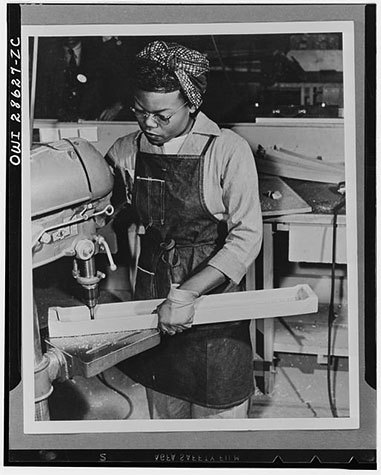
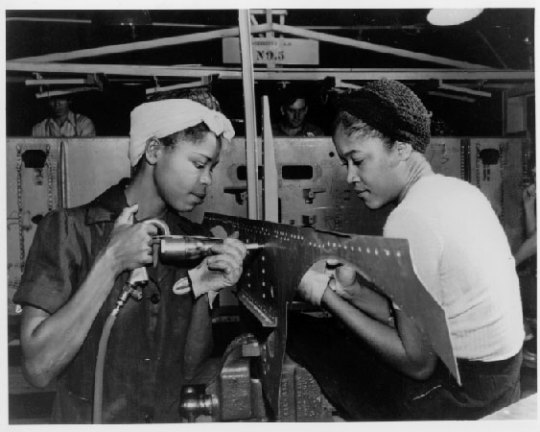
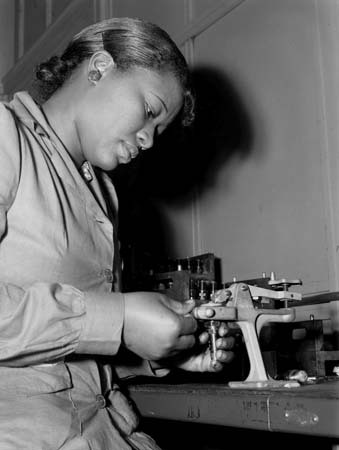
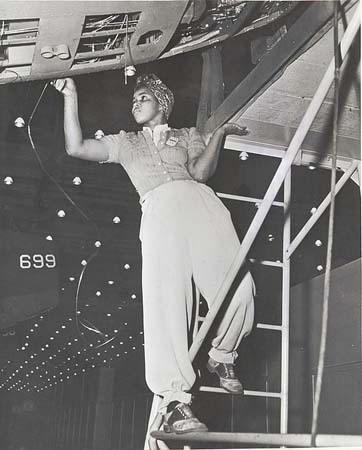
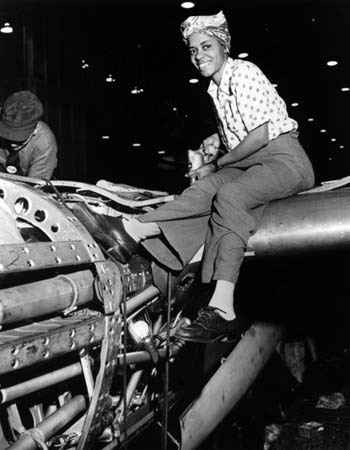
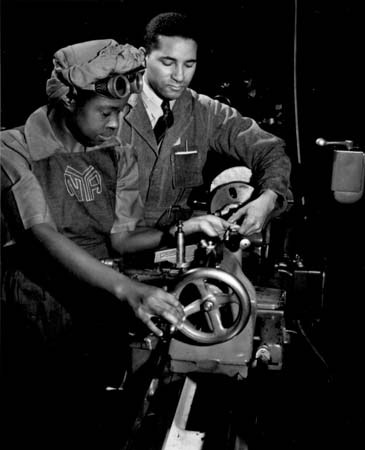
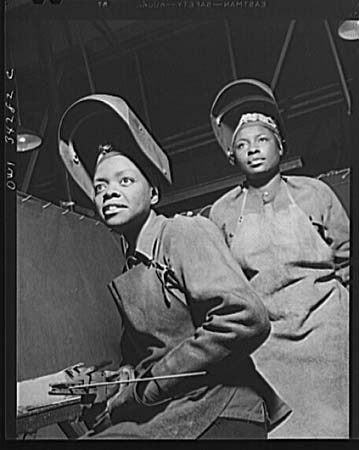
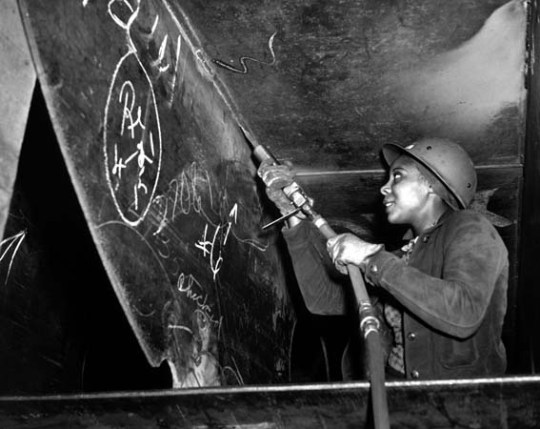
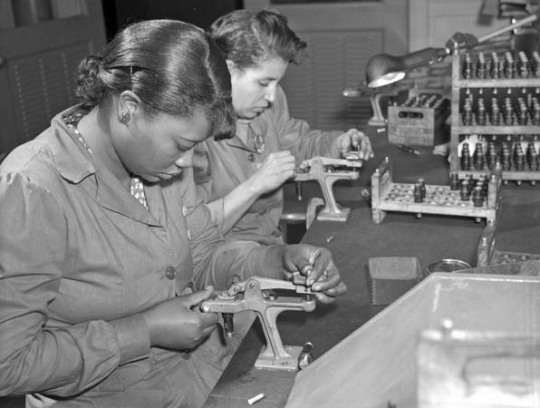
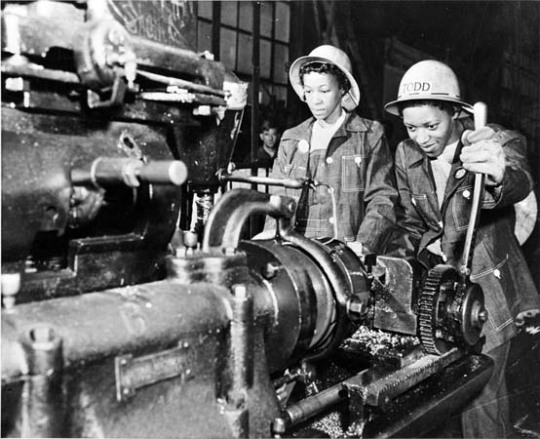
During World War II, 600,000 African-American women entered the wartime
workforce. Previously, black women’s work in the United States was
largely limited to domestic service and agricultural work, and wartime
industries meant new and better-paying opportunities – if they made it
through the hiring process, that is. White women were the targets of the
U.S. government’s propaganda efforts, as embodied in the lasting and
lauded image of Rosie the Riveter.Though largely ignored in America’s
popular history of World War II, black women’s important contributions
in World War II factories, which weren’t always so welcoming, are
stunningly captured in these comparably rare snapshots of black Rosie
the Riveters.
Reblogging because I’ve never seen these before, and I bet a lot of people haven’t.